
Building A Premium Brand Using Brand Consistency
If you want your company to be a recognized leader in your industry, brand consistency isn’t optional, it’s foundational.
This is especially important for businesses that have multiple locations. If you want to position your brand as luxury or premium, then you need to make sure your business shows up the same at every single touchpoint with your customers.
No matter where your customers encounter your brand, the experience should be familiar, feel unified, and appear as unmistakably you.
We’re going to touch on:
- What brand consistency really means (beyond logos and colors)
- The foundational elements that create a consistent brand experience
- How to maintain brand consistency company-wide, especially across franchise locations
- The role of systems, templates, and training in protecting your brand
- Why testing design updates is critical before launching major changes
We know that you’re someone who knows a premium brand isn’t just built, it’s protected. That’s why we’re here and that’s why we’re going to help you get actionable steps to keep your brand consistent across every location, platform, and partner.
What Is Brand Consistency?
Have you ever been catfished by a date? If you’re unfamiliar with the term, it means that you met someone online but when you showed up to the date they looked WAY different than their picture.
Creepy, right? Even if they look better than their photo, you’d still feel unsettled because it’s not what you expected!
This same thing happens with your customers. If they see you on social media as this polished, professional, high end store but show up to your store and it feels messy, small or off-brand they’d probably turn around feeling disappointed.
Brand consistency is making sure the way you present your company and what it stands for is the same across all touchpoints you have with your customers. This includes everything from social media, to a franchise location, to your website.
What Does It Entail?
The real answer? Everything.
Which you probably knew already.
But if you’re just getting started with brand consistency or you’re trying to refocus your company during a growth phase it helps to revisit the basics. Here are the three foundational building blocks of a strong, consistent brand:
Visual Identity
Back to our dating metaphor: your brand should look exactly like its profile.
From your logo and color palette to typography and photography style, your visual identity should be consistent across every single platform. That means your Instagram grid, franchise window signage, email footers, and even those quick PowerPoints your local teams are sending out.
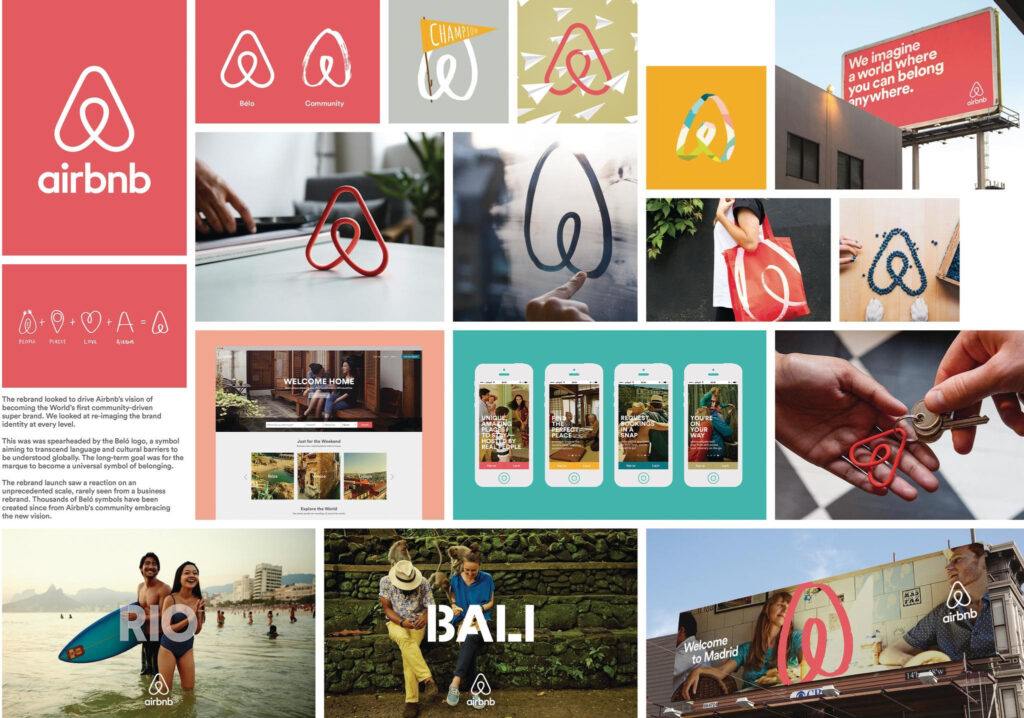
Elements of Visual Identity:
- Logo usage (no stretched logos… ever)
- Color palette (primary, secondary, and accent colors)
- Fonts and typography hierarchy
- Photography and imagery guidelines
- Iconography and design patterns
- Layout systems (especially for web and mobile)
Messaging and Tone
Remember that Pixar movie Up? There’s a scene where a tough-looking Rottweiler struts in like a villain but then opens its mouth and has the highest pitched, sweetest voice imaginable. Totally throws you off.
That’s what it feels like when a brand’s tone doesn’t match its appearance.
If your visual brand is sleek, refined, and high-end but your copy sounds casual, chaotic, or inconsistent it creates brand dissonance. People notice. And it creates confusion that erodes trust.
Your messaging should reflect not just what you do, but who you are.
This includes:
- Taglines and positioning statements
- Voice and tone (Are you direct? Conversational? Sophisticated?)
- Word choice and phrasing
- CTAs across platforms
- The language your team uses in DMs, responses to reviews, appointment confirmations, and even at the front desk
The goal: When customers move from Instagram to your website, to your online chat, to your store they should never feel like they’re interacting with different companies.
Customer Experience
Something we know to be true about business is that a great attitude sells more than anything. Even if you cost more than your competitors, if you provide your customers with a great, pleasant experience they’re going to love you for it and come back again and again.
Provide a recognizable, high level of service in-store, online, and through your customer service agents. Prioritize training employees on their people skills. Doing so is going to build stronger connections and loyalty with your target audience.

How Do You Maintain A Consistent Brand Company Wide?
If you’re reading this, then it means you probably know these basics like the back of your hand. You’re more concerned with the how of it all. Because a brand can look good, but if it doesn’t perform well then looks don’t really matter.
Let’s go over some specific areas you can focus on improving as well as give you actionable tips on how to improve this.
1. Create Brand Guidelines
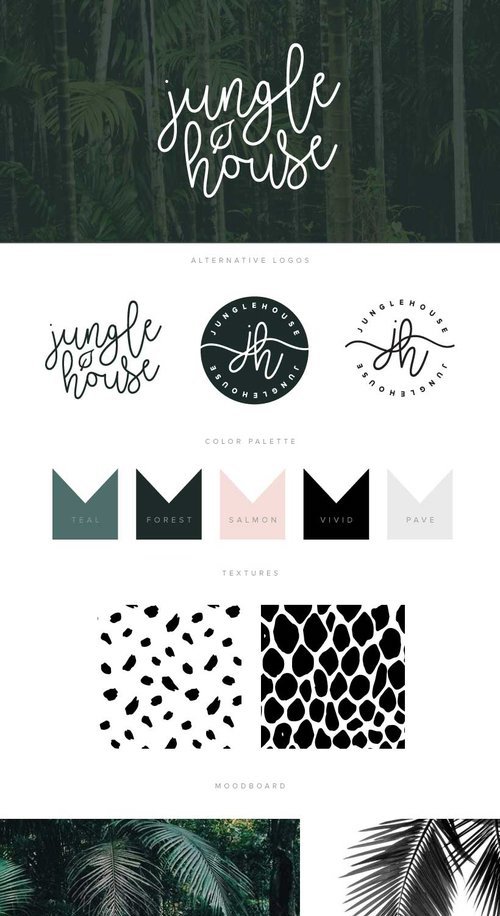
Brand guidelines act as a blueprint for your company. They’re a centralized, defined place where everybody can see exactly what’s expected. They make sure that anybody who is even thinking about touching your brand knows exactly how to represent it correctly.
When done right, they make it easier for your team to move faster without second-guessing if the design or messaging is on par.
What Should be Included In Your Guidelines:
- Core Values and Mission: This keeps everybody on the same page about where you want the company to go. Having strong values makes it easier for franchise owners to align their decisions with the overall company strategies.
- Target Personas: These are people who represent your ideal customers. They help make sure your messaging reaches the right audience in the right place, at the right time, and in the right way. (Don’t have yours identified yet? Check out this guide + FREE template on how to identify yours!)
- Visual Elements: A consistent visual identity ensures brand recognition whether someone is seeing your logo on a billboard or a mobile ad. Document how every visual element should be used (and just as importantly, how it shouldn’t be).
Visual Elements Include:
- Color palette
- Logo
- Fonts
- Images
- People
2. Assemble and Organize All Marketing Assets
Whether you put them on a website and make sure only internal employees have access or put them in a shared google drive folder, make sure all of your assets are in one spot.
TIP: Templates are your best friend. They make it easy for your corporate team to stay consistent, and when shared across your company, they allow other team members to create on-brand content quickly and confidently.
3. Online Presence
Right now (yes, as you’re reading this!) we want you to go look at your website, social media, and mobile app if you have one. Ask yourself how consistent everything feels. Does the tone match? Is the experience easy and uniform across devices? Are visuals consistent?
Nearly ⅓ of business is now conducted online. You want to make sure your business runs as smoothly and consistently online as it would in a store
Action Step: Choose 3 locations or teams and audit their digital presence this week. Note any gaps in visual identity, messaging, or tone and use those as a baseline to improve.
4. Recycle Content
Just because content is older doesn’t mean it’s outdated. If it performs well once, there’s a strong chance it can deliver again with a fresh angle or format. Think about turning a high-engagement social post into a full blog article, repurposing ad copy in an email CTA, or resurfacing a great testimonial in your next campaign.
What you’re talking about is part of consistency. Reusing older content means that you’re still having the same conversation.
5. Be Proactive About Company Wide Communication
You can’t expect consistency if your teams and partners aren’t in the loop. Proactive communication keeps everyone aligned and empowered to protect your brand.
Here’s who you should regularly be communicating with:
- Brand ambassadors: Identify internal champions who deeply understand your brand. They help reinforce standards, support local teams, and act as go-to resources for brand execution.
- Franchise Owners: Make it easy for franchise owners to stay on-brand by giving them access to ready-made assets, messaging, and visual templates. Support them with clear expectations and quick communication channels.
- Regular Trainings: Host short, consistent training to keep your team up to speed on brand updates, tools, and best practices. This helps prevent drift and empowers everyone to create with confidence.
Before You Start A Complete Company Overhaul: Test Before You Change
Want to refresh your design? Try a new layout? Change your booking flow? Rebrand your entire company?
Great. But don’t guess. Test.
Consistency doesn’t mean staying static forever. If you’re currently focused on growth, you know this. It means evolving with intention, backed by data instead of assumptions. Especially when you’re managing multiple locations, every change you make has the potential to either strengthen or fracture your brand’s image.
Let’s say your website is converting well. If you decide to shift your layout, tweak your CTAs, or switch up your email tone without testing first, you could unintentionally create a disconnect between your customer’s expectations and the actual experience.
Testing gives you clarity. It ensures that updates support your brand story and deliver on your promise without compromising the consistency your customers rely on.
Smart Ways to Test Brand Updates:
- A/B testing landing pages or CTA placements: Find out what messaging and formats your audience responds to—before rolling them out brand-wide.
- Heatmaps to evaluate user behavior on-site: Spot where users are clicking, stalling, or bouncing to identify where design tweaks may help or hurt.
- Customer feedback on in-store signage or ad visuals: Use real insights from reviews, emails, or DMs from real customers to refine brand execution at the ground level.
- Soft launching visual changes in one franchise region: Pilot design or UX updates in a low-risk environment to validate results before expanding system-wide.
Bottom line? Consistency is what builds strong brands. Testing is what keeps them sharp. When you use data to evolve without eroding your brand identity, you unlock both performance and brand integrity.
Premium Brands Take Time To Build and Effort To Maintain
You’re working hard to keep making your company bigger, better, and more impactful.
But when you finally reach that next level of growth, new challenges start to surface like inconsistencies across locations, confusion around what’s actually driving results, and friction from teams all trying to do things their own way.
If we could leave you with one takeaway, it’s this: go back to the basics and test before you change.
Strong brands aren’t just built, they’re protected. And the more consistent you are, the more powerful your brand becomes.
If you feel ready to tighten your brand and build better systems to support it, let’s talk.
At Mintun Media, we help growth-minded, multi-location brands create consistency that converts from design to digital execution.
Schedule a call and let’s make your brand feel premium everywhere.